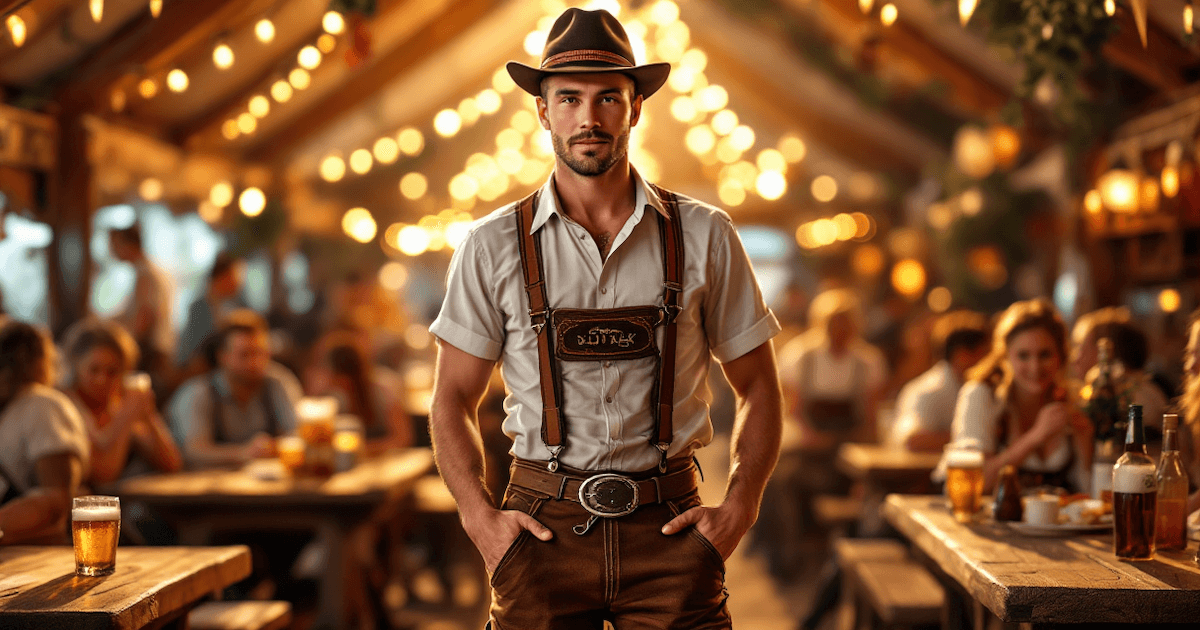
If dirndls dominate the female Oktoberfest aesthetic, lederhosen absolutely own the male side. These iconic leather pants aren't just novelty costume pieces—they're centuries-old traditional garments that tell the story of Bavarian Alpine culture.
But unlike thrown-together tourist costumes, authentic lederhosen outfits require knowledge and intention. The difference between looking like a thoughtful cultural participant and looking like a stumbling stereotype comes down to understanding the details.
This complete guide breaks down every component of proper lederhosen wear, explains the cultural significance, walks you through 2025 trends, and shows you how to put together an Oktoberfest outfit that honors tradition and looks genuinely impressive.
What Are Lederhosen? A Brief History
Lederhosen translates literally to "leather pants" in German (Leder = leather, Hosen = pants). These leather breeches originated in the Alpine regions of Bavaria and Austria during the 18th century, initially worn by hunters, farmers, and laborers who needed durable clothing that could withstand rough outdoor work and spilled beer.
Why leather? Practical reasons: leather is incredibly durable, water-repellent (crucial for a beer festival), and naturally molds to your body over time, becoming increasingly comfortable with wear. The Alpine origins meant weather protection was essential, and leather provided warmth while remaining breathable.
Over centuries, these workwear pants transformed into ceremonial and festive attire, becoming synonymous with Bavarian cultural identity. By the time Oktoberfest became internationally famous, lederhosen were already established as the quintessential men's festival outfit.
Today, lederhosen aren't just for Oktoberfest—they're worn at Bavarian weddings, business meetings, cultural events, and anywhere traditional dress is appropriate. But Oktoberfest remains their most iconic venue.
The Components: Building Your Outfit
A proper lederhosen outfit is more than just pants. It's a complete ensemble where each piece contributes to the overall aesthetic.
Lederhosen: The Foundation
Lederhosen come in three primary lengths, each with different vibes:
Short Lederhosen (Kurze Lederhosen): End above the knee, showing off more leg. These read as more casual and modern, perfect for younger visitors or those who want to show off their calves. They're also more practical for warm September days.
Knee-length Lederhosen (Kniebundhosen): Extend to just below the knee, the most traditional and widely recognized style. This is what you picture when you imagine classic Bavarian dress. It's formal enough for evening events but casual enough for daytime festival wear.
Long Lederhosen (Lange Lederhosen): Extend to the ankle or calf, the most formal option. These are less common at modern Oktoberfest but are traditionally worn for very formal events or by older, more conservative guests.
Pro recommendation: Knee-length Kniebundhosen are your safest bet—they're versatile, authentically traditional, and widely accepted.
Leather Quality Matters
This is where many first-timers make mistakes. Not all leather is created equal, and cheap polyester "lederhosen" are instantly recognizable as inauthentic.
Genuine leather options:
- Buckskin (Hirschleder): Made from deer hides, this is the gold standard. It's soft, supple, naturally ages beautifully, and feels exceptional. Most premium lederhosen use buckskin. Expect €300+.
- Goatskin: Durable and affordable, goatskin balances cost and quality. It's stiffer initially but breaks in well. €150-250.
- Cowhide: Thicker and more rugged, cowhide is durable but takes longer to break in. It's the most affordable genuine leather. €100-200.
- Elk skin: Premium option similar to buckskin but slightly stiffer. €250-400.
- Avoid: Polyester, faux leather, or any non-leather material. These don't age well, feel plasticky, and are disrespectful to the tradition.
The leather develops a natural patina with wear, becoming softer and more character-filled each time you wear them. Genuine leather lederhosen are an investment, but they last decades with proper care.
The Traditional Shirt (Trachtenhemd)
The shirt is your second most visible component. Traditional options include:
White or ivory linen/cotton shirts: The classic choice. Simple, clean, and lets your lederhosen be the star. White photographs beautifully and represents traditional Bavarian formality.
Checkered shirts: Popular and casual, checkered shirts add visual interest. Traditional patterns include blue/white and green/white checks.
2025 trends: Midnight blue, wine red, sage, and olive shirts are emerging as sophisticated alternatives to traditional white.
Important: Your shirt should be long-sleeved (you'll roll up the sleeves if it's warm), button-down, and fitted enough to tuck into your lederhosen without bunching. Avoid t-shirts, graphic prints, or anything that screams "novelty."
Pro tip: You don't need to buy a special "Trachtenhemd"—any quality long-sleeved button-down works perfectly.
Suspenders (Hosenträger)
Suspenders aren't optional—they're essential. Here's why: lederhosen are cut to sit loosely around the waist, requiring suspenders to stay in place. This loose fit is intentional, allowing freedom of movement and accommodating the way leather stretches over time.
Suspender types:
- Traditional chest panel: Suspenders with a decorative cross plate or panel at the chest. This panel is your opportunity for visual flair—it can be plain leather, embroidered, or decorated with enamel pins or charms.
- Standard X-back: Simple suspenders that crisscross at the back, less visible but equally functional.
Color coordination: Suspenders typically match your lederhosen (brown with brown, black with black) or contrast elegantly (cream or gold with darker lederhosen).
The hosenträger serve a functional purpose and should be adjusted so your lederhosen sit at your natural waist, not your hips.
The Hosentürl: That Infamous Front Flap
Yes, lederhosen have a buttoned flap on the front. This feature—called a "hosentürl" (literally "trouser door") or "servierbrett" (serving plate)—dates back to practical necessity. At crowded beer festivals where bathroom lines are long, this flap allowed quick, discreet bathroom access without fully removing your pants.
It's a real functional feature, not a novelty. Most modern visitors won't use it (we have regular zippers now), but it's part of authentic lederhosen and a fun historical detail.
Socks and Shoes
Often overlooked but absolutely part of the authentic look:
Socks: Traditional Bavarian wool socks (Wadlestrumpf) are knee-high, often featuring colorful patterns or designs. The word itself is delightfully German. Look for traditional Nordic or geometric patterns in classic colors.
Avoid: white tube socks (the #1 sign of a rookie), athletic socks, or ankle socks. Committed Oktoberfest participants wear traditional wool knee-highs.
Shoes: Traditional Bavarian leather shoes, particularly Haferl shoes (a slip-on style with decorative straps), complement the outfit perfectly. Alternatively, sturdy leather boots work well. The key is leather construction that coordinates with your overall aesthetic.
Avoid: sneakers, athletic shoes, flip-flops, or anything too modern. You're aiming for cohesion.
Optional but Recommended: Waistcoat/Vest
A traditional Bavarian waistcoat (Weste or Gilet) worn over your shirt and under your suspenders adds sophistication and formality. Waistcoats are typically wool, often featuring:
- Traditional embroidery
- Matching color to your lederhosen
- Decorative buttons or chains
- Formal silhouette
Waistcoats work particularly well if you're staying in the festival later into the evening or want a more formal appearance.
Optional: Hat
A traditional Bavarian hat (Tiroler Hut) or Alpine-style hat completes the look. These felt hats, often featuring a single feather or decorative brooch on the band, are highly recognizable and photograph beautifully.
Hats are entirely optional but add authentic character if you're committed to the full traditional look.
Color Options: 2025 Trends
Gone are the days when brown was your only option. Modern lederhosen come in sophisticated colors that honor tradition while expressing personality.
Traditional Colors
Brown: The original color, still the most popular. Brown lederhosen are versatile, pair well with virtually any shirt, and represent Bavarian heritage. Shades range from light tan to deep chocolate brown.
Black: Modern and sophisticated, black lederhosen photograph exceptionally well and offer a more formal aesthetic than brown. They're increasingly trendy and pair beautifully with white or pale blue shirts.
Tan/Cream: Lighter shades offer a sophisticated, wealthy aesthetic. These are trendy for 2025 and pair elegantly with olive or wine-colored shirts.
2025 Trend Colors
Midnight blue: A deep, rich blue that's gaining significant traction. Pairs beautifully with cream or white shirts.
Wine red (Burgundy): An elegant, sophisticated color that offers luxury without screaming for attention.
Sage and olive: Earthy tones that feel refined and contemporary while maintaining traditional roots.
Forest green: A deep green that represents growth and modernity while honoring Alpine heritage.
Pro Tip on Colors
Avoid: Neon colors, hot pink, bright lime green, or any color that feels costume-y rather than traditional. The 2025 trend emphasizes understated elegance over loudness.
Choose colors that feel cohesive with your overall outfit. Tone-on-tone coordination (all warm tones or all cool tones) photographs and looks more sophisticated than random color mixing.
Fit and Sizing: The Critical Details
This is where most people get it wrong. Poor fit ruins even quality lederhosen.
The Squat Test
Here's the golden rule: You should be able to do a full squat in your lederhosen without discomfort or fear of ripping. If you can't squat easily, they're too tight.
This matters because:
- You'll be sitting on benches for hours
- You'll be dancing on tables
- Authentic lederhosen are meant to allow full range of motion
If they're cutting into your waist or feeling restrictive across the thighs, size up.
Initial Fit vs. Broken-In Fit
This is crucial: Genuine leather lederhosen should fit tightly when new but will stretch considerably with wear and body heat. This is completely normal and expected.
A good rule of thumb: If new lederhosen feel snug around the thighs and waist but you can still comfortably move, they're properly sized. They'll stretch 1-2 sizes as you wear them and the leather conforms to your body.
Cheap polyester "lederhosen" won't stretch, so if you're buying those, size normally. But authentic leather lederhosen require buying slightly snug and letting them break in.
Waist Adjustments
Most quality lederhosen feature a back lacing system that allows waist adjustment. This lets you fine-tune fit as the leather stretches or if you've eaten too much Schweinshaxe.
You can also wear a traditional Trachten belt (ornate leather belt) over your suspenders for additional adjustment and visual appeal.
2025 Lederhosen Trends
Fashion designers have identified clear trends for 2025:
What's In:
- Hand-finished leather: Quality over quantity. Artisanal leather work is more valued than mass production.
- Tone-on-tone coordination: Matching lederhosen, shirt, and accessories in complementary shades
- Minimal embellishment: Clean designs without excessive decorative stitching
- Premium materials: Real leather with authentic aging potential
- Elegant embroidery: If embroidered, sophisticated designs rather than gaudy patterns
- Well-coordinated ensembles: The outfit as a cohesive whole rather than random pieces
What's Out:
- Cheap polyester: Completely unacceptable
- Excessive rhinestones or glitter: Screams tourist costume
- Poor fit: Too tight or too loose
- Novelty designs: Ridiculous patterns or logos
- Mismatched accessories: Lederhosen don't coordinate with sneakers
- Neon colors: Too loud and costume-y
Lederhosen Shopping: Where to Buy
In Munich (if you have time):
- Angermaier (iconic Bavarian brand)
- Käfer (luxury trachten)
- Moser Trachten (premium options)
- Local specialists in the Altstadt
Online options:
- Bavarian Trachten
- Alpen Classics
- Lederhosen Store
- Rare Dirndl (yes, they have men's too)
Price ranges:
- Budget: €80-120 (cheap polyester, avoid)
- Reasonable quality: €150-250 (goatskin or cowhide, decent for first-time)
- Good quality: €250-400 (buckskin, will last years)
- Premium: €400+ (artisanal, investment pieces)
Pro tip: Don't cheap out here. Poor-quality lederhosen are immediately noticeable and feel bad to wear. Invest €200-300 in quality lederhosen you'll wear for years.
Wearing Lederhosen: Style Tips
Get the suspenders positioned correctly: They should sit at your shoulders comfortably, with the chest panel sitting at mid-chest. Adjust until comfortable.
Tuck your shirt in completely: No shirt bunching or untucked portions. Tuck firmly into the lederhosen and behind the suspenders.
Let the leather breathe: Genuine leather develops a patina. Don't obsess over perfect conditioning—the character is part of the charm.
Move confidently: Whether you're sitting at a massive bench or dancing on tables, wear these pants like you own them. Confidence is the best accessory.
Take photos: Lederhosen photograph beautifully, especially in natural light. Golden hour (late afternoon) is magic for traditional dress photography.
Do You Have to Wear Lederhosen?
Absolutely not. Oktoberfest has no enforced dress code. You can wear regular clothes if you prefer.
But—similar to dirndls—wearing lederhosen genuinely enhances the experience. It connects you to tradition. It photographs beautifully. It makes you feel special and celebratory.
That said, if you're uncomfortable in traditional dress, respectful regular clothing is infinitely better than lederhosen you hate wearing.
The Bottom Line
Lederhosen are more than a costume piece—they're living history worn by millions celebrating Bavarian culture. When you wear quality, well-fitted lederhosen with intention, you're not just dressing for a party. You're participating in a centuries-old tradition that connects you to Alpine heritage and thousands of years of Bavarian identity.
Take time choosing your lederhosen. Invest in quality leather. Pair them thoughtfully with traditional shirts, suspenders, and accessories. Tie your suspenders with confidence.
You'll arrive at Oktoberfest, walk through those gates in your lederhosen, and immediately understand why this tradition has survived for centuries.
You'll feel it. You'll belong.
Prost!